




This week’s headlines brought news of Kroger’s planned reduction of 3,000 corporate roles over three years and Albertsons’ multibillion-dollar claim against Kroger following their failed merger.
Behind every workforce reduction are people and families. Those headlines deserve perspective and respect.
They also raise a broader question: What kind of grocery industry do we want to build?
My answer includes a strong, competitive independent grocery sector.
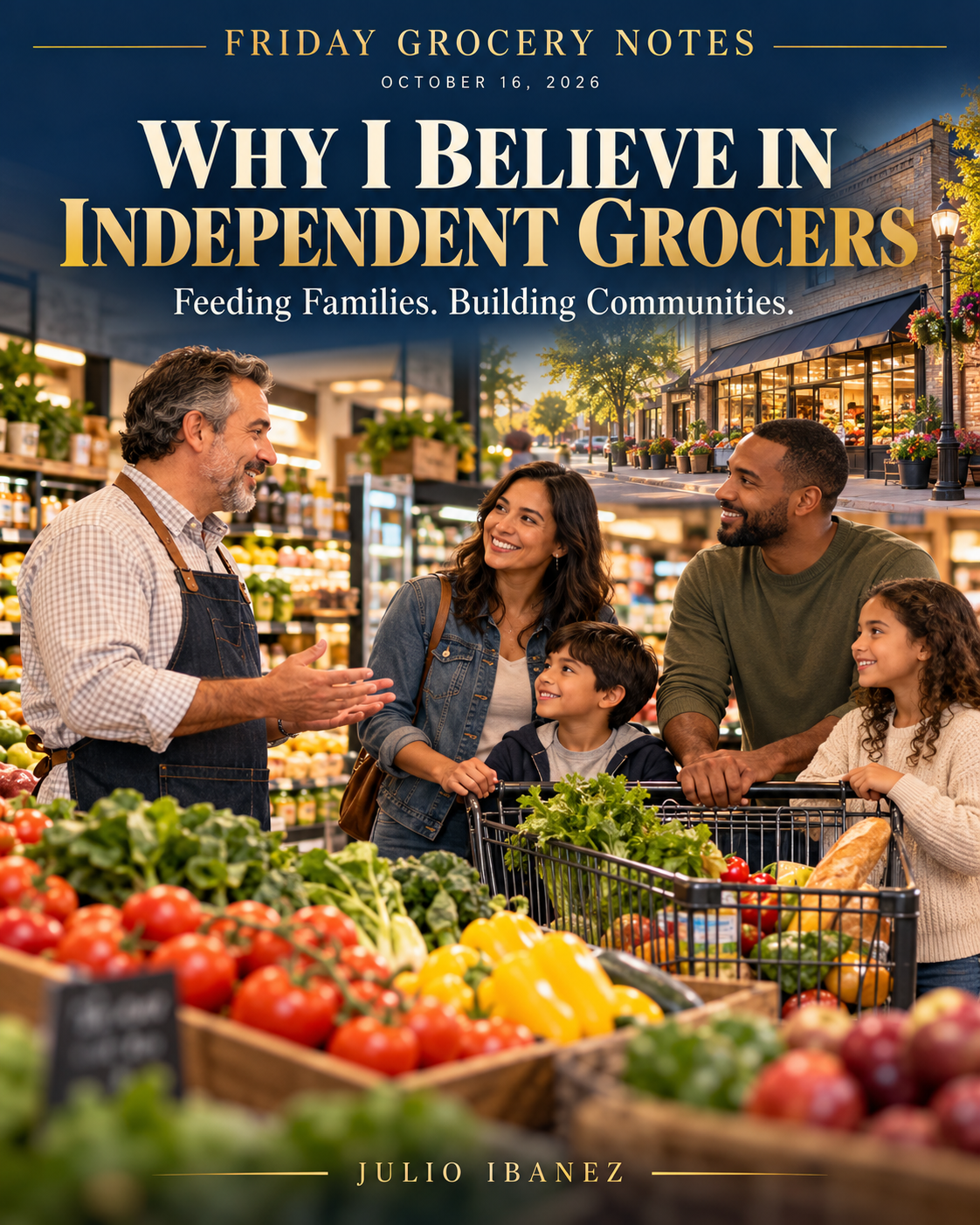
Across America, independent grocers help feed millions of families. They create jobs, give local suppliers an opportunity, and serve communities whose needs cannot always be understood from a national headquarters.
Their strength comes from being close enough to notice.
The owner who sees that a neighborhood is changing. The meat manager who understands the cuts families want. The buyer who recognizes that an ingredient is an everyday essential for one household, even if it is unfamiliar to another.
That knowledge matters when it becomes better assortment, dependable availability, fair prices, and service that earns another visit.
But proximity alone is not enough.
Independent ownership does not excuse outdated operations, inconsistent execution, or purchasing decisions that tie up cash without delivering value.
Believing in independent grocers also means challenging them to get better: understand the households within their trade area, invest in their teams, use data, strengthen fresh departments, and build disciplined relationships with their primary wholesaler and complementary suppliers.
Independence requires strong partnerships.
Supporting these retailers must mean something practical for the rest of our industry, too.
For wholesalers, it means helping operators grow across the entire store. For manufacturers, it means making relevant products and programs accessible. For technology providers, it means delivering tools that store teams can afford and use.
For shoppers, it means recognizing the value of a business that listens, adapts, and invests in their neighborhood.
I have spent much of my career working alongside independent operators. I have seen the personal commitment behind opening the doors each morning, meeting payroll, keeping shelves stocked, and earning a community’s trust.
That is why I continue to believe in them—and why I believe they deserve serious investment and opportunity.
America’s grocery future needs room for local ownership, entrepreneurial ambition, cultural understanding, and meaningful competition.
Independent grocers deserve a place at the center of that future.
Feeding families. Building communities. Earning trust, every day.
#FridayGroceryNotes #IndependentGrocers #GroceryRetail #Community #RetailLeadership
