




Hispanic Consumers in the U.S.: Opportunities for Supermarkets
Diario Retail | U.S. Grocery Retail Industry Analysis
United States | October 2026
A Market That Demands a Deeper Understanding
Hispanic consumers play an increasingly important role in the U.S. market. Their demographic significance, cultural diversity, and evolving consumption habits are factors that supermarkets, manufacturers, and suppliers must consider when developing their business strategies.
However, understanding this consumer segment requires more than recognizing its demographic importance. It means examining how people shop, which products they choose, what priorities shape household spending, and which factors influence their decisions in the grocery store.
For the industry, the challenge is to translate that understanding into actionable business decisions: more relevant assortments, better category management, competitive product offerings, and shopping experiences that address the actual needs of local communities.
In this context, the Hispanic Retail Chamber of Commerce (HRCOC) serves as a market information and business connection channel, helping industry stakeholders better understand the U.S. grocery retail market, gain relevant industry perspectives, and explore commercial opportunities among retailers, manufacturers, distributors, and companies seeking to enter or expand in the United States.
Beyond Demographics: Understanding How Hispanic Consumers Shop
Treating Hispanic consumers as a single, homogeneous group can lead to ineffective business decisions. The Hispanic community encompasses different national origins, generations, income levels, lifestyles, and consumer preferences.
The needs of a household that prioritizes bulk purchasing may differ from those of a shopper looking for convenience, ready-to-eat products, or options that fit a tighter budget.
Brand familiarity, culinary traditions, product availability, price-to-quality perceptions, and trust in a retailer’s offerings can also influence purchasing decisions.
For supermarkets, understanding these differences makes it possible to develop more precise strategies and avoid decisions based solely on cultural assumptions or stereotypes.
The opportunity is not to make assumptions about Hispanic consumers, but to understand what different shoppers need and how to meet those needs profitably.
The Shelf: Where Consumer Insights Become Business Strategy
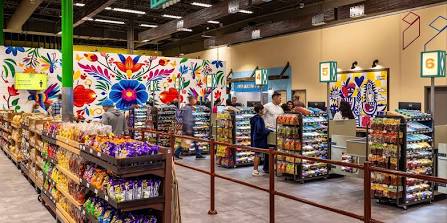
One area where this understanding can translate into measurable results is the store shelf. Product selection, placement, signage, and shelf-space allocation influence brand visibility and purchasing decisions.
An effective strategy requires analyzing category performance and the characteristics of each store’s trade area. Relevant categories may include pantry staples, bakery products, beverages, snacks, frozen foods, convenience items, and products associated with different culinary traditions.

The answer is not necessarily to create a separate section for Hispanic products. In many cases, the opportunity lies in integrating relevant products into their appropriate categories, improving availability, reassessing placement, or developing assortments that make shopping easier for consumers.
Shelf planning and planograms should be guided by measurable business criteria, including:
- Category sales and product velocity: Identify which products generate actual demand.
- Profitability: Evaluate margins and each item’s contribution to the business.
- Product availability: Reduce out-of-stocks that can undermine sales and customer loyalty.
- Local assortment strategy: Adapt product offerings to the characteristics of shoppers in each market.
- Promotions and visibility: Measure whether placement, messaging, and promotional activities deliver results.
- Space productivity: Assess whether shelf-space allocation improves category performance.
Combining consumer insights with commercial analysis can help supermarkets build more competitive assortments, make better use of available space, and create a more relevant shopping experience.
What This Trend Means for Manufacturers and Suppliers
The U.S. market offers opportunities for domestic and international manufacturers seeking to expand their distribution channels. However, a product’s cultural relevance alone does not guarantee placement or long-term success in retail.
Suppliers must understand the market’s commercial requirements, the expectations of retail buyers, and the operational standards necessary to serve their customers consistently.
Product quality, pricing, packaging, differentiation, production capacity, supply continuity, and regulatory compliance can all influence how a commercial proposal is evaluated.
For Latin American companies, this environment creates opportunities to introduce distinctive products with a clear identity, provided they can demonstrate their potential within the relevant categories and meet the requirements of the U.S. retail channel.
Access to market information and a better understanding of how manufacturers, distributors, and supermarkets work together can help companies develop stronger, more realistic commercial proposals.
Market Intelligence for Better Business Decisions
Information becomes valuable when it helps turn a market trend into a concrete business decision.
For a retailer, this may mean identifying assortment opportunities, adjusting a planogram, improving product availability, or gaining a better understanding of the needs within its trade area.
 For a manufacturer, it may mean evaluating product-market fit, identifying the right sales channel, preparing a compelling business proposal, and understanding the requirements for building a sustainable relationship with retail partners.
From this perspective, the Hispanic Retail Chamber of Commerce (HRCOC) serves as a channel for market information and business connections within the U.S. grocery retail industry. Its role is to help companies gain a clearer understanding of the commercial landscape, encourage dialogue among industry stakeholders, and identify opportunities for collaboration among retailers, manufacturers, distributors, and suppliers.
This connection is particularly relevant for companies seeking to enter the U.S. market or strengthen their existing presence. These businesses need to understand not only consumer preferences but also the commercial dynamics of the industry.
Market intelligence, knowledge of retail requirements, and well-prepared proposals aligned with market needs can help bridge the gap between identifying an opportunity and developing a viable business relationship.
From Cultural Relevance to Measurable Results
Consumer insights should ultimately translate into measurable performance indicators that help evaluate business decisions.
Relevant metrics include category sales growth, product velocity, profitability, on-shelf availability, promotional performance, and changes in purchasing behavior.
Retailers should also assess whether assortment and merchandising changes improve the customer experience and strengthen shoppers’ relationships with their stores.
The strategy should go beyond identifying products that may have cultural appeal to a particular consumer segment. The goal is to understand how those products fit into shopping habits, what value they deliver to consumers, and what results they generate for the business.
For supermarkets, this creates a broader approach to the Hispanic market—one that combines customer insights, efficient shelf-space management, product selection, and continuous performance measurement.
A Shared Opportunity for Retailers and Their Suppliers
The growing diversity of U.S. consumers creates opportunities throughout the supply chain. Supermarkets can strengthen their value propositions, manufacturers can develop more relevant products and packaging, and distributors can identify new sourcing and expansion opportunities.
Capturing this potential requires a deeper understanding of the market and effective collaboration among the companies that produce, distribute, and sell consumer goods.
The Hispanic Retail Chamber of Commerce (HRCOC) supports these connections through its market information and industry engagement efforts, helping link market knowledge with commercial opportunities.

Ultimately, understanding Hispanic consumers is not simply a matter of market segmentation. It is an opportunity to rethink assortment strategies, shelf organization, supplier relationships, and the ways supermarkets respond to the needs of their communities.
A Perspective from Daniel Esteban Novoa
“Understanding the consumer is the beginning of a stronger business relationship.”
 Daniel Esteban Novoa
Executive Vice President & Co-Founder
Hispanic Retail Chamber of Commerce (HRCOC)
From my perspective, Hispanic consumers represent a significant opportunity for the U.S. grocery retail industry. However, capturing that opportunity requires much more than recognizing demographic growth. It requires understanding people, their shopping habits, and the products that bring value to their households.
I believe one of the keys is connecting that understanding to concrete business decisions. Product selection, shelf placement, the relationship between price and quality, and suppliers’ ability to meet retail needs are all part of the same strategy.
At HRCOC, we believe that providing market information and facilitating connections between retailers and suppliers can help turn interest in the U.S. market into better-prepared, sustainable commercial opportunities.
The objective is not simply to place more products on store shelves. It is to help each product find its place, address a genuine consumer need, and create value for the shopper, the retailer, and the supplier.
When the industry better understands its consumers and companies better understand the needs of their business partners, the conditions for sustainable growth become stronger.
Diario Retail
News, analysis, and perspectives on the U.S. grocery retail industry, consumer trends, commercial strategy, and business opportunities between retailers and suppliers.
