




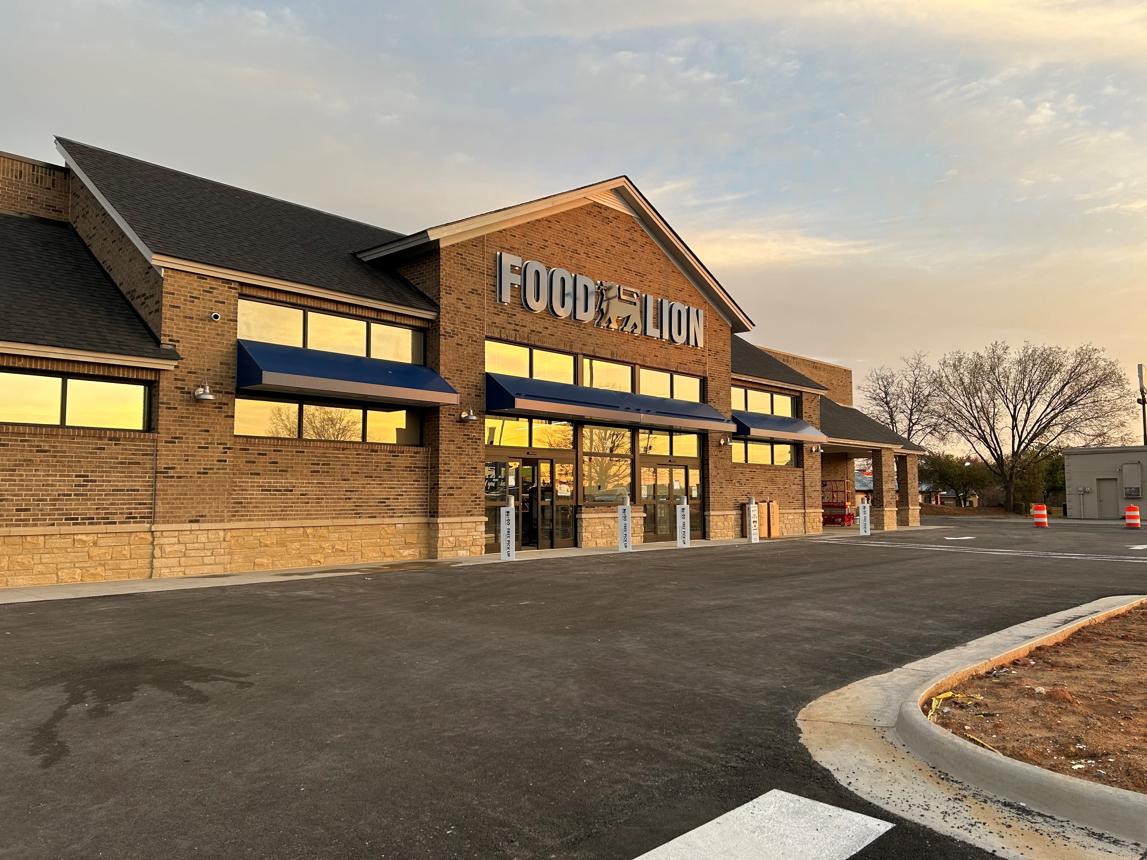
The acquisition strengthens Food Lion’s presence across southern Georgia, expands its regional footprint, and is expected to create approximately 375 employment opportunities. The five locations are scheduled to transition to the Food Lion brand in December.

By Diario Retail | November 12, 2026 | United States
The competitive landscape of the U.S. grocery industry continues to evolve as major supermarket operators pursue strategic acquisitions, geographic expansion, and portfolio optimization.
In the latest development, Food Lion, part of Ahold Delhaize USA, has agreed to acquire five Winn-Dixie supermarket locations in southern Georgia, marking another significant step in the company’s regional expansion strategy.
The transaction will allow Food Lion to enter additional local markets by incorporating established supermarket locations with existing infrastructure, customer bases, and commercial operations, accelerating growth without relying exclusively on new store construction.
Food Lion had initially set a target of opening ten new stores during 2026. With these five additional locations, the company expects to reach fifteen new stores during the year, exceeding its original target by 50%.
Following the expansion, Food Lion’s presence in Georgia will increase to 51 stores.
Five Strategic Locations Strengthen Food Lion’s Regional Presence
The five supermarkets included in the transaction are located in the following Georgia communities:
| City | Store Address |
|---|---|
| Brunswick | 5420 Jesup Highway |
| Folkston | 3606 Second Street |
| Lake Park | 1060 Lakes Boulevard |
| St. Simons Island | 220 Retreat Village |
| Valdosta | 3200 North Ashley Street |
The stores are expected to continue operating under the Winn-Dixie banner until the transaction closes and the customary closing conditions are satisfied.
Food Lion plans to complete the necessary updates and transition the locations to its own brand, with reopening under the Food Lion name anticipated in mid-December 2026.
The company’s operating model emphasizes convenience, fresh food, quality meats, prepared meals, and everyday grocery essentials.
The transition is also expected to bring additional digital shopping capabilities, including online ordering, in-store pickup, and home delivery through Food Lion To Go.
Expansion Also Creates Employment Opportunities
Beyond adding retail locations, the acquisition is expected to have a direct impact on local employment.
Food Lion anticipates hiring approximately 375 associates to support operations across the five stores.
This is an important consideration for the communities involved. Maintaining existing retail locations while integrating them into a new operating structure can help preserve jobs and create additional employment opportunities.
The company also plans to integrate the stores into its community outreach and hunger-relief initiatives.
Through its Food Lion Feeds program, the retailer reports having helped provide more than 1.5 billion meals since 2014, with a broader goal of reaching 3 billion meals by 2032.
Winn-Dixie Refocuses Its Business on Florida
The transaction also needs to be viewed from Winn-Dixie’s strategic perspective.
The sale of these five locations is part of a broader geographic realignment as the company seeks to concentrate its resources and investments in Florida, its historic core market.
While Food Lion strengthens its position in Georgia, Winn-Dixie is moving toward a more concentrated operating footprint.
These developments reflect an increasingly visible trend across the U.S. grocery industry: supermarket operators are reassessing their store portfolios, prioritizing strategic markets, and seeking greater operational efficiency.
THE INDUSTRY PERSPECTIVE
 Daniel Esteban Novoa: “Retail Growth Is Increasingly Driven by Strategic Market Positioning and Operational Efficiency”
Daniel Esteban Novoa
Executive Vice President & Co-Founder
The Hispanic Retail Chamber of Commerce (HRCOC)
“This development represents much more than the acquisition of five supermarkets. It is a clear example of how grocery retailers are using acquisitions and integration strategies to accelerate growth, strengthen their geographic positions, and optimize their commercial operations.
In the U.S. market, location, customer proximity, existing infrastructure, and the ability to adapt to local consumer needs are strategic assets. Acquiring established stores allows companies to shorten expansion timelines while leveraging existing commercial operations and customer relationships.
It is also important to consider the broader impact these decisions have on suppliers, distributors, brands, and independent operators participating in the grocery retail ecosystem.
The U.S. grocery industry is evolving toward a business environment in which scale, operational efficiency, commercial intelligence, and a deep understanding of local markets will play an increasingly important role.
Understanding these developments is essential for companies seeking to participate, invest, or expand their business within this industry.”
What This Acquisition Tells Us About the U.S. Grocery Industry
From Diario Retail’s perspective, this transaction highlights three important developments:
1. Growth Through Acquisitions
Adding established supermarket locations allows retailers to accelerate market penetration, leverage existing infrastructure, and strengthen their presence in strategic territories.
2. Geographic Realignment of Retail Networks
Supermarket operators are reassessing their geographic footprints to concentrate investments in markets where they see stronger growth potential, operational synergies, and long-term profitability.
3. New Opportunities Across the Supplier Ecosystem
Changes in store ownership and operating structures can create new opportunities for manufacturers, distributors, logistics providers, and consumer brands seeking to enter or expand their presence in the U.S. supermarket channel.
The Food Lion–Winn-Dixie transaction reinforces an important reality: grocery retail growth is not driven exclusively by opening new stores. The ability to identify acquisition opportunities, integrate existing locations, and develop markets efficiently has become an increasingly important competitive advantage.
For suppliers and businesses interested in the U.S. market, these developments represent strategic signals worth monitoring.
DIARIO RETAIL
More Than News: Strategic Direction.
The Home of Grocery Retail | U.S. Supermarket Industry Intelligence
