




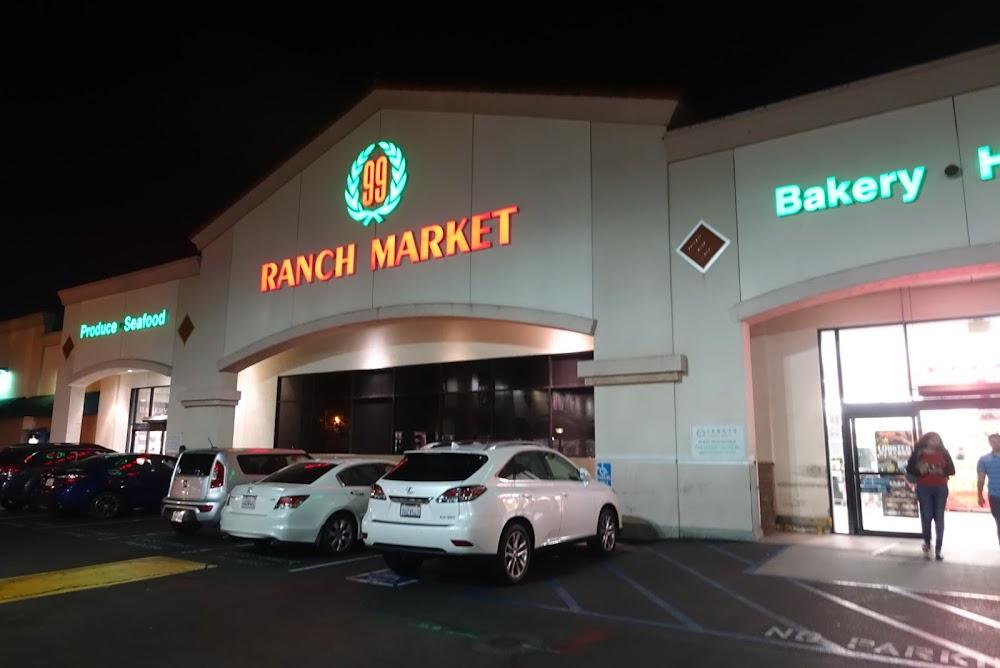
The Asian supermarket chain will close its locations in Chino and Pleasanton before the end of 2026. The decision will affect 103 employees and comes amid growing competition from other specialty grocery operators across California.
DIARIO RETAIL | U.S. GROCERY RETAIL NEWS
The U.S. grocery industry continues to experience significant changes in its competitive landscape, particularly within multicultural and specialty food retail. In California, 99 Ranch Market has announced the closure of two stores, marking a shift in the company’s presence in two communities where it has served Asian-American consumers for years.
The affected locations are in Chino and Pleasanton. The Chino store is scheduled to close on November 15, while the Pleasanton location is expected to cease operations on December 5, 2026. The Pleasanton store had served the local community for 16 years.
Restructuring the Store Network
Tawa Supermarket Inc., the parent company of 99 Ranch Market, attributed the decision to an effort to optimize its retail network and allocate operational resources more efficiently.
The company indicated that it remains committed to the communities it serves and pointed to other 99 Ranch Market locations in the Tri-Valley and Chino/Chino Hills areas that will continue serving local consumers.
Founded in 1984, 99 Ranch Market has become one of the leading Asian supermarket operators in the United States. The company operates across 11 states and, according to figures reported by Supermarket News, has 66 stores nationwide, including 43 in California.
Its business model is built around an extensive assortment of Asian food products, fresh produce, seafood, meat, grocery essentials, and specialty items representing a broad range of Asian culinary traditions.
California: An Increasingly Competitive Grocery Market
The closures come at a time when other Asian grocery retailers are actively expanding their presence in California.
One of the most notable developments is the growth of H Mart, the South Korean supermarket chain, which has opened a location in Dublin, near Pleasanton, while also planning a major store development in Fremont. The proposed location, approximately 100,000 square feet, would become one of the company’s largest U.S. stores.
Tokyo Central has also strengthened its presence with a store of approximately 40,000 square feet in Emeryville. Meanwhile, T&T Supermarket entered the San Jose market in June.
Another development is the Osaka Marketplace project, which includes plans for a supermarket combined with a food-focused destination in Pleasant Hill.
Together, these developments illustrate the continued investment in Asian grocery retail and the growing interest in specialized supermarket formats. Retailers are competing through differentiated product assortments, fresh food offerings, cultural relevance, and shopping experiences designed around specific consumer communities.
A Broader Perspective on Multicultural Grocery Retail
Beyond the immediate impact of the closures, 99 Ranch Market’s decision highlights an important reality of the U.S. grocery business: growth within a consumer segment does not necessarily translate into equal performance across every store in a retail chain.
Location strategy, proximity to competing stores, geographic coverage, product assortment, customer demographics, and changing shopping habits all influence the performance and long-term viability of individual locations.
In multicultural markets such as California, where different consumer communities and specialized grocery concepts coexist, the ability to understand purchasing behavior and adapt store networks has become increasingly important.
The restructuring of 99 Ranch Market provides another example of how competition within the U.S. supermarket industry is evolving and why strategic decisions involving store locations, formats, and value propositions remain essential to long-term retail performance.
 INDUSTRY PERSPECTIVE | Daniel Esteban Novoa – HRCOC
Daniel Esteban Novoa, Executive Vice President & Co-Founder of The Hispanic Retail Chamber of Commerce (HRCOC), shares his perspective on the implications of these developments for the U.S. supermarket industry.
“The developments we are seeing across the U.S. grocery market demonstrate that growth within a particular category or consumer community does not automatically guarantee the success of every individual store. Supermarket retail is a business built on execution, adaptability, and an ongoing understanding of the market.
Today, specialty supermarkets, including both Asian and Hispanic grocery retailers, have significant opportunities for growth in the United States. At the same time, they face increasingly demanding challenges: geographic competition, operational efficiency, sales productivity per square foot, assortment management, and the ability to understand how consumer preferences continue to evolve.
I believe the real challenge for supermarket operators is not simply offering differentiated products. It is building a competitive and sustainable business proposition that connects the identity and preferences of each community with increasingly professional business management.
At HRCOC, we believe the future of U.S. supermarket retail will increasingly depend on the ability to combine customer intelligence, technology, operational efficiency, and commercial differentiation. These capabilities will be essential to identifying new opportunities, strengthening existing businesses, and developing sustainable growth models.”
