

Close Menu
Diario Retail

    Subscribe to Updates

    Get the latest creative news from FooBar about art, design and business.

    What's Hot

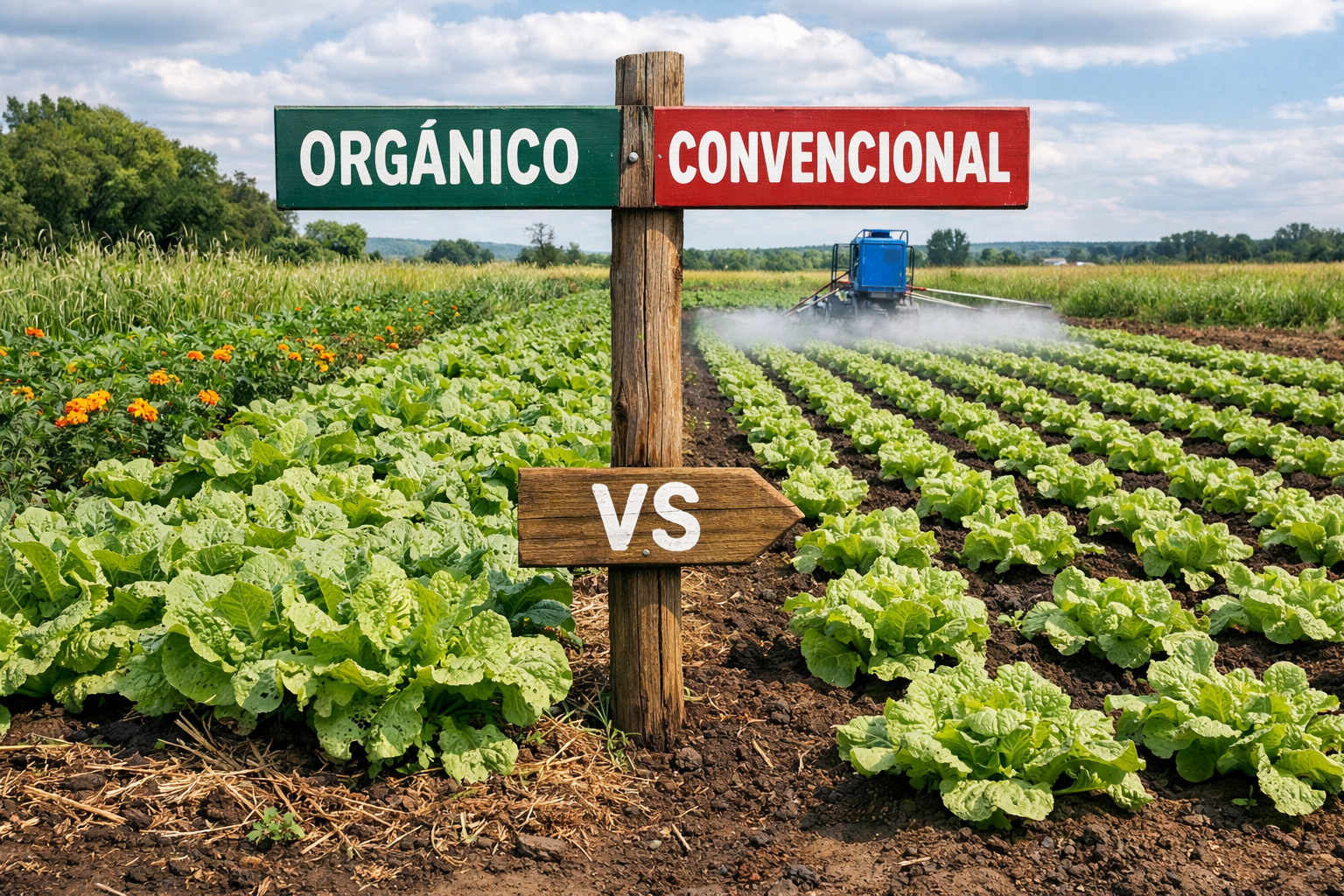
    Organic vs. Conventional

    2026-03-02

    Food Traceability Becomes a Strategic Requirement for Access to the U.S. Market

    2026-03-02

    Julio Ibanez: From Personal Journey to Professional Impact

    2026-02-20
    Facebook X (Twitter) Instagram
    • Business Directory
    • Contact
    Facebook X (Twitter) Instagram YouTube
    Diario RetailDiario Retail
    Demo
    • Home
    • Categories
    • Supermarkets
    • Business Directory
    • Purchasing Center
    • LATAM
    • Retail Voices
    • Contact
    Diario Retail
    Home»Uncategorized»Organic vs. Conventional
    Uncategorized

    Organic vs. Conventional

    Nelson PereiraNelson Pereira2026-03-02
    Facebook Twitter Pinterest LinkedIn Telegram Tumblr Email
    Share
    Facebook Twitter LinkedIn Pinterest Email Telegram WhatsApp
    Expanded Strategic Analysis for Retail Insider Club Members

    When Price Stops Being the Problem and Becomes the Excuse

    For years, the debate between organic and conventional products focused almost exclusively on price. In today’s supermarket retail environment, that explanation is becoming increasingly insufficient.

    While organic products continue to carry a higher average price than their conventional counterparts, both data and operational experience show that the real challenge is no longer just how much they cost, but how they are managed in-store.

    One of the main friction points for retailers is shrink in organic fruits and vegetables. Slower turnover, combined with greater sensitivity to spoilage, increases the risk of loss and erodes category profitability. On top of that, operational errors at checkout—where organic items are rung up as conventional—create additional losses that rarely surface in superficial performance analyses.

    The problem intensifies when inventory and display management replicate strategies designed for high-velocity products. In organic categories, prolonged overexposure does not communicate abundance; it communicates lack of freshness. That perception directly impacts purchasing decisions.

    From the consumer’s perspective, a higher price becomes unacceptable when it is paired with signals of lower quality or a higher risk of spoilage at home. The result is a vicious cycle: slower turnover, longer shelf life in-store, declining perception, and further losses.

    Some retailers are beginning to reverse this dynamic through more surgical approaches. Strategies such as sales-based display planning, adjustments based on perishability levels, and more aggressive early discard policies aim to preserve visible product quality—even if it means accepting a smaller initial loss to prevent greater category-wide deterioration.

    Experience shows that pulling product at the right time is often less costly than maintaining full displays that ultimately go unsold. In that sense, the first loss is often the best loss.

    The challenge for retail is not choosing between organic and conventional. It is determining when price is a legitimate argument—and when it becomes an excuse that conceals deeper issues of execution, operational discipline, and commercial strategy.

    Share. Facebook Twitter Pinterest LinkedIn Tumblr Email
    Nelson Pereira

    Related Posts

    WTS by Julio Ibanez Episode 4: Egypt, resilience under responsibility.

    2026-02-13

    Private Sector Leadership Emerges Amid SNAP Funding Uncertainty: The Hispanic Retail Ecosystem Responds

    2025-10-30

    Conociendo la realidad de nuestros supermercados

    2022-01-13
    Leave A Reply Cancel Reply

    Top Posts

    Save Mart tiene nuevo dueño

    2022-04-021,652 Views

    Primark continues its expansion in the United States

    2025-03-281,402 Views

    Ranking: The Best Airline in Latin America in 2023

    2024-09-301,235 Views
    Don't Miss

    Organic vs. Conventional

    2026-03-02By Nelson Pereira

    Expanded Strategic Analysis for Retail Insider Club Members When Price Stops Being the Problem and…

    Food Traceability Becomes a Strategic Requirement for Access to the U.S. Market

    2026-03-02

    Julio Ibanez: From Personal Journey to Professional Impact

    2026-02-20

    The Hispanic Retail Chamber of Commerce Celebrates Supermarket Employee Day – February 22

    2026-02-20
    Stay In Touch
    • Facebook
    • Twitter
    • LinkedIn
    Latest Reviews
    Most Popular

    Save Mart tiene nuevo dueño

    2022-04-021,652 Views

    Primark continues its expansion in the United States

    2025-03-281,402 Views

    Ranking: The Best Airline in Latin America in 2023

    2024-09-301,235 Views
    Our Picks

    Organic vs. Conventional

    2026-03-02

    Food Traceability Becomes a Strategic Requirement for Access to the U.S. Market

    2026-03-02

    Julio Ibanez: From Personal Journey to Professional Impact

    2026-02-20

    Subscribe to Updates

    Get the latest creative news from FooBar about art, design and business.

    La ventaja no es saber más.
    Es saberlo antes.

    Únete al Diario Retail Insiders Club, ingresa a un ecosistema con beneficios exclusivos para jugar con ventaja, información exclusiva y oportunidades de negocio directas antes que la competencia.

    Solicitar Membresía Gratuita
    Diario Retail
    Facebook X (Twitter) Instagram YouTube LinkedIn
    • Home
    • Categories
    • Business Directory
    • LATAM
    © 2026 Diario Retail

    Type above and press Enter to search. Press Esc to cancel.