




Amazon Pulls Back From Bricks-and-Mortar Grocery: A Strategic Pivot With Broad Implications for the U.S. Retail Landscape
DIARIO RETAIL USA
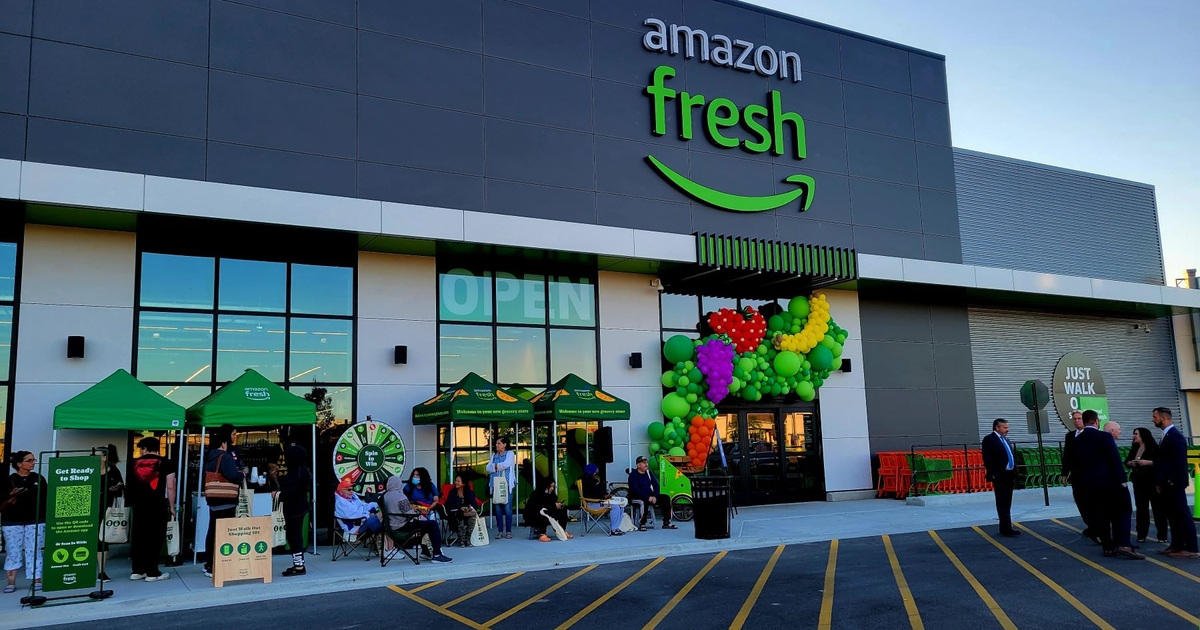
In a major strategic shift that reverberates across the grocery and retail sectors, Amazon has announced it will shutter all of its Amazon Fresh grocery stores and Amazon Go convenience locations in the United States, signaling a decisive retreat from standalone physical grocery formats under its own brands and a renewed commitment to digital fulfillment and expansion of its Whole Foods Market footprint.
The closures, affecting approximately 57 Amazon Fresh supermarkets and 15 Amazon Go outlets, are expected to be completed by February 1, 2026, though some California sites may remain open slightly longer due to local regulatory requirements.
From Innovation to Integration: Why Amazon Is Changing Course
Amazon’s grocery foray began years ago with bold ambitions. After launching Amazon Fresh physical stores in 2020 — following nearly two decades of building its online Fresh delivery service — and introducing cashier-less Amazon Go stores in 2018, the company hoped to redefine how Americans shop for food.
Yet in stepping back from these formats, Amazon acknowledged that neither Fresh nor Go achieved the distinct customer experience or economic model needed to scale profitably as standalone brands, especially in the fiercely competitive supermarket sector.
According to internal statements, the shopping experience, while technologically advanced in many stores, didn’t resonate broadly enough or deliver a compelling enough value proposition to sustain long-term investment at scale. Instead, Amazon is opting to lean into formats that have demonstrated stronger performance and brand affinity.
Whole Foods Market: The Centerpiece of Amazon’s Physical Grocery Strategy
Amazon’s acquisition of Whole Foods Market in 2017 marked a turning point in the company’s grocery ambitions. Since then, the premium organic chain has seen robust sales growth — reportedly more than 40 % since the acquisition — and consumer acceptance as a trusted destination for fresh and natural foods.
Now, Amazon plans to expand Whole Foods aggressively, with over 100 new store openings anticipated over the coming years, including a mix of traditional locations and smaller-format stores such as Whole Foods Market Daily Shop.
Several of the soon-to-close Amazon Fresh stores are slated to be converted into Whole Foods locations, a move that reflects both real estate optimization and a bet on greater brand pull for established grocery formats.
Online Grocery Fulfillment Still Central
Despite the physical closures, Amazon’s grocery business is far from retreating. The company is doubling down on online Fresh grocery ordering and same-day delivery services, which now serve thousands of cities and towns across the U.S.
Investments in delivery infrastructure, fulfillment technology, and digital convenience have consistently outpaced growth in physical stores — a trend Amazon argues aligns with evolving consumer preferences. The company also plans to further extend its grocery delivery ecosystem in 2026, aiming to bring perishable delivery to even more communities.
Broader Retail Impacts and Strategic Learnings
Amazon’s pivot has several implications for the retail and grocery industries:
-
Physical Grocery Economics Remain Challenging: Even for a company as resource-rich as Amazon, running profitable brick-and-mortar supermarkets remains elusive, underscoring the difficulty of balancing high operating costs with competitive pricing and consumer adoption.
-
Tech-Enabled Retail Is Not a Panacea: Innovations like “Just Walk Out” cashier-less checkout systems and high-tech inventory tracking attracted attention, but technology alone wasn’t enough to drive sustained foot traffic or profitability at scale. Amazon plans to continue licensing these technologies to third parties rather than relying on them as anchors of its own retail operations.
-
Repositioning Against Traditional Competitors: With Walmart, Kroger, and other established grocers investing heavily in both physical and digital channels, Amazon’s refocus on Whole Foods and delivery puts the company in a different competitive bracket — one that emphasizes premium retail experiences and logistics-driven convenience.
-
Talent and Operational Realignment: The wave of closures will inevitably impact employees, and Amazon has indicated it will explore reassignments and internal transitions wherever possible.
What Comes Next?
As Amazon withdraws from its original grocery store concepts, the broader industry will be watching closely for how its next moves shape retail competition. Whether through expanded grocery delivery, new retail experiments like “Amazon Grocery,” or deeper integration of digital and physical shopping experiences within Whole Foods, the company’s evolving strategy offers lessons about the complex interplay between technology, convenience, and customer expectations in modern retail.
In a landscape where shopping behaviors continue shifting rapidly, Amazon’s decision marks not an exit from grocery but a recalibration of where and how it chooses to compete.
