




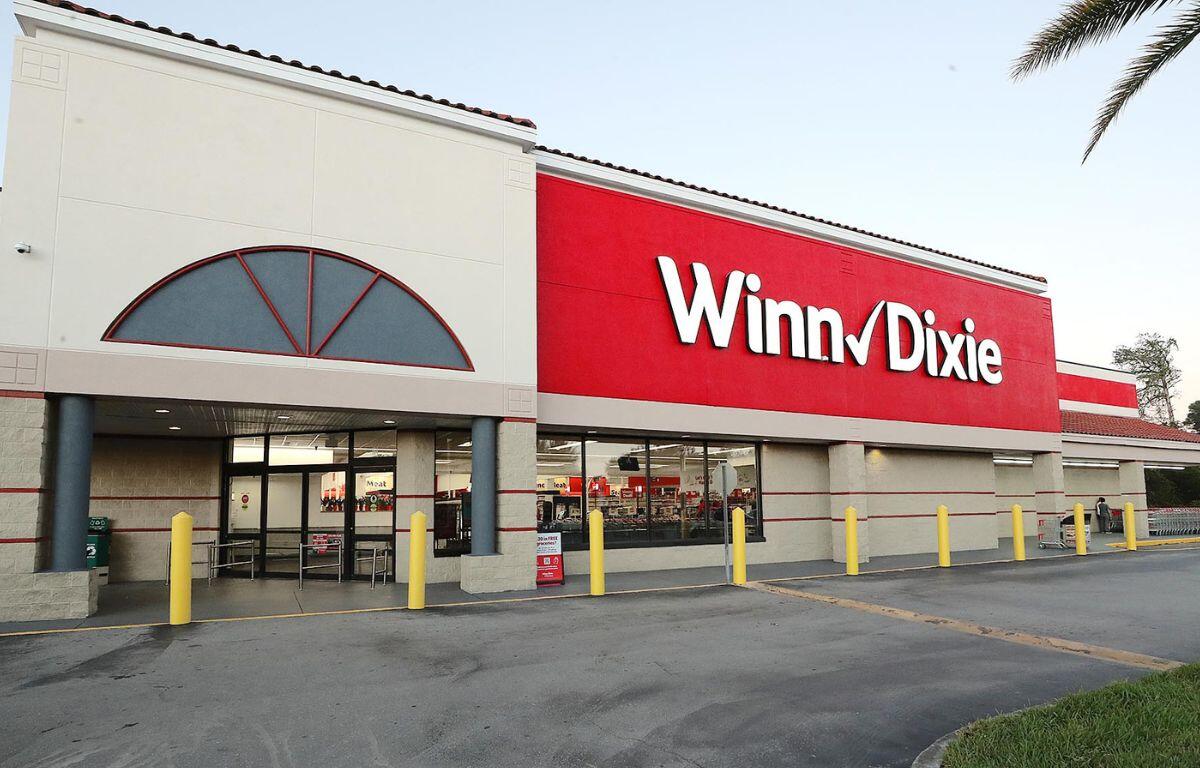
Winn-Dixie Redefines Its Corporate Identity and Opens a New Strategic Chapter in Regional Retail Across the U.S. Southeast
The company formerly known as Southeastern Grocers formally completed a structural shift in its corporate identity this week, officially operating under the name The Winn-Dixie Company and aligning its corporate structure with the most historically recognized supermarket brand in its portfolio.
First signaled in October of last year, the change goes well beyond a nominal update. It represents a strategic redefinition of the company’s positioning amid a broader realignment of U.S. regional retail—one shaped by consolidation, operational focus, and the renewed value of brands with deep local roots.
From the executive level, the move has been framed as a clear declaration of direction. The company is seeking to capitalize on the symbolic and commercial value of Winn-Dixie, a brand historically embedded in the everyday shopping routines of millions of households across the U.S. Southeast.

This corporate reset follows a period of significant volatility. In March 2024, Aldi U.S. acquired Southeastern Grocers and its network of approximately 400 Winn-Dixie and Harveys stores as part of its expansion strategy in the Southeast. Less than a year later, a consortium led by the company’s current CEO, together with C&S Wholesale Grocers, repurchased roughly 170 Winn-Dixie and Harveys locations—restoring operational independence and strategic decision-making capacity.
A Clear Signal of Recentralization and Regional Focus
From the perspective of the Hispanic Retail Chamber of Commerce (HRCOC), this move is best understood as a meaningful signal within the broader process of recentralization reshaping regional retail: less geographic dispersion and greater concentration in markets where brands possess historical equity, consumer insight, and operational efficiency.
The decision to prioritize Florida while reducing exposure in peripheral markets reinforces this interpretation. In an environment of tight margins and highly value-sensitive consumers, scale without focus is no longer an automatic advantage.
Private Label, Identity, and Value Proposition
Alongside the name change, Winn-Dixie introduced a refreshed visual identity, a new color palette, and an updated corporate tagline. The rebrand is accompanied by a repositioning of the company’s communication tone and an acceleration of private-label development—an increasingly decisive lever for sustaining margins, differentiation, and customer loyalty in regional grocery retail.
This emphasis on private brands is not isolated. It reflects a structural shift across the sector, where private label has evolved beyond a price-driven role to become a central component of retailer identity and value proposition.
A Broader Takeaway for the Grocery Ecosystem
The Winn-Dixie case illustrates a wider dynamic shaping U.S. retail: the revaluation of regional brands with strong community ties, combined with more disciplined store portfolio management, selective investment, and a renewed focus on execution.
For the retail ecosystem—particularly regional chains, suppliers, and brands operating in or targeting the U.S. Southeast—this repositioning reinforces a key principle: in the current phase of the industry, strategic clarity, defined identity, and operational focus carry as much weight as scale.
From HRCOC’s standpoint, moves like this confirm that the future of retail is built not
