




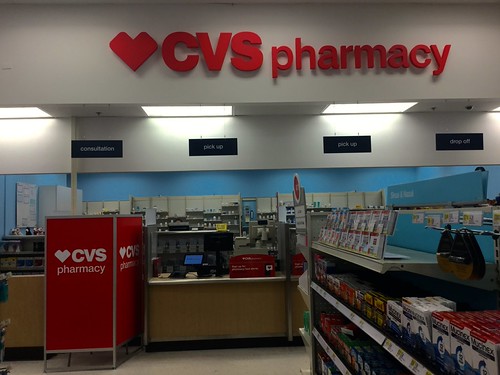
CVS Accelerates Its Transformation with New Pharmacy-Only Formats and Selective U.S. Expansion
The Hispanic Retail Chamber of Commerce highlights the strategic evolution of CVS Health as a leading example of transformation in the U.S. pharmacy retail sector, driven by footprint optimization and shifting healthcare consumption patterns.
CVS has announced plans to open nearly 20 small-format, pharmacy-only stores by 2026, as part of a broader initiative that includes more than 60 new locations in the near term. This expansion follows a significant network rationalization process, with approximately 1,000 store closures over the past three years, signaling a structural shift in the industry.
New Model: Efficiency, Specialization, and Proximity
The new store format—averaging approximately 3,000 square feet—reflects a clear strategic focus:
- Emphasis on prescription medications and over-the-counter (OTC) products
- Elimination of non-core retail categories
- Enhanced operational efficiency and proximity to the consumer
This redesign positions CVS closer to a convenient healthcare access model, prioritizing essential services over traditional broad retail assortments.
Turning Point: Fewer Closures, Greater Strategic Precision
According to the company, the cycle of large-scale closures is nearing completion. For 2026, only a limited number of closures are expected, primarily driven by:
- Lease expirations
- Strategic relocations
This marks a shift from previous years, during which major chains such as Walgreens and Rite Aid also significantly reduced their physical footprints amid competitive pressures and declining prescription margins.
Consolidation and Targeted Expansion
In parallel, CVS has strengthened its market position through strategic acquisitions, including:
- Conversion of former Rite Aid and Bartell Drugs stores in the Pacific Northwest
- Acquisition of prescription files across multiple states
Additionally, the company plans to open more than 40 traditional CVS locations and in-store units within Target, reinforcing its omnichannel strategy and geographic reach.
Implications for the Retail Ecosystem
From the HRCOC perspective, CVS’s strategy reinforces three structural trends shaping the future of U.S. healthcare retail:
- Hyper-specialization of the physical store
Fewer categories, stronger focus on high-value services - Optimized physical footprint
Data-driven store network rationalization and selective expansion - Healthcare + retail integration
Convergence of pharmacy, primary care, and service platforms (e.g., MinuteClinic, Oak Street Health)
HRCOC Conclusion
CVS’s transformation is structural, not tactical. It represents a scalable model for the future of retail:
smaller footprints, higher service intensity, improved efficiency, and a patient-centric approach.
For industry stakeholders—including supermarkets, retailers, and suppliers—this case underscores the need to evolve toward more profitable, specialized, and data-driven formats, where service and experience replace traditional product volume as the primary growth driver.
