




The omnichannel grocer consolidates its regional presence by investing in modern stores, digital convenience, and affordable prices
Salisbury, North Carolina – January 2026.
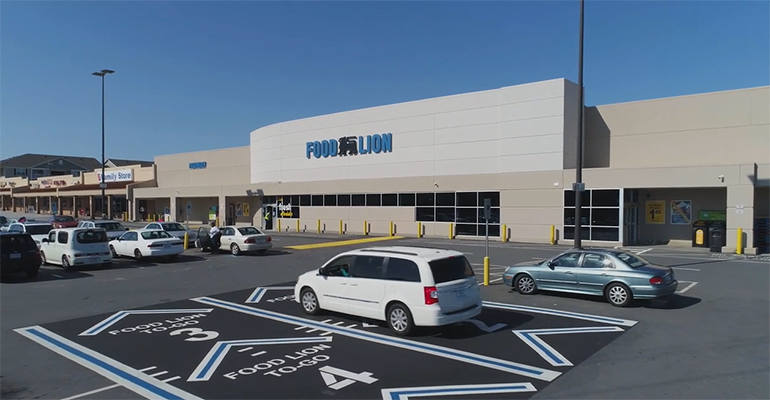
Food Lion continues to deepen its footprint across the Carolinas with the opening of new stores during the first quarter of 2026, reaffirming its strategy of sustained growth in key markets throughout the Mid-Atlantic and Southeastern United States.
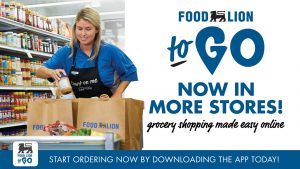
The new openings reflect a clear vision: bringing more communities a value proposition built on fresh products, affordable prices, and an omnichannel shopping experience that combines refreshed physical stores with digital pickup and home delivery solutions through Food Lion To Go.
According to the company, each new store has been designed based on customer feedback, featuring more efficient layouts, an expanded assortment, modern décor, and convenience-driven services. The offering ranges from fresh produce and quality meats to ready-to-eat meals and everyday essentials.
“This growth reinforces our commitment to being a trusted neighborhood grocer for the communities we serve, both in existing markets and new locations,” said Greg Finchum, President of Food Lion. “Each new store strengthens our ability to deliver an easy, fresh, and affordable shopping experience, while supporting the communities where our neighbors live and work.”
Planned New Stores – First Quarter 2026
• Pontiac, South Carolina – January 21
• Statesville, North Carolina – January 28
• Greensboro, North Carolina – February 2026
• Simpsonville, South Carolina – March 2026
The opening in Pontiac will kick off Food Lion’s 2026 growth calendar, building momentum for further expansion in the months ahead.
What the New Format Delivers
The stores incorporate customer-focused features, including:
• Ready-to-eat, ready-to-cook, and ready-to-heat meal options
• Fresh produce, quality meats, and specialty products (organic, gluten-free, and plant-based)
• In-store prepared fresh-cut fruit, fresh sushi, and self-service areas
• Self-checkout lanes alongside traditional assisted checkout
• Pickup and home delivery with consistent pricing across physical and digital channels
Food Lion also continues to strengthen its private label, Nature’s Promise®, which offers affordable products made without artificial flavors, preservatives, or synthetic colors.
Energy Efficiency and Local Focus
The new stores feature energy-efficient upgrades such as LED lighting, refrigerated cases with doors, and CO₂ refrigeration systems, aligned with the company’s environmental goals.
Through its Local Goodness program, Food Lion continues to integrate regional products from growers and manufacturers in North Carolina and South Carolina, reinforcing the connection between the supermarket and local economies.
Community Commitment
Aligned with its long-standing community impact strategy, each new store will support local hunger-relief efforts in partnership with food banks and community organizations. Through its Food Lion Feeds platform, the company has donated more than 1.5 billion meals since 2014 and remains committed to reaching a total of 3 billion meals donated by 2032.

Comparative Analysis with Other Regional Retailers
Perspective of Diario Retail executives and the operational roundtable of The Hispanic Retail Chamber of Commerce (HRCOC)
From the perspective of Diario Retail executives, together with the analysis of the HRCOC operational roundtable, Food Lion’s recent evolution fits—albeit with its own nuances—within broader dynamics currently shaping large regional operators across Latin America.
While chains such as Éxito (Colombia) and Cencosud (Chile–Andean Region) have moved toward format reconfiguration and reduced physical footprint to prioritize operational efficiency and omnichannel capabilities, other players like Grupo Jerónimo Martins (Ara / Colombia) continue to pursue selective expansion, supported by low-cost structures and high inventory turnover.
In markets such as Peru and Mexico, regional retailers have responded to similar macroeconomic conditions through gradual adjustments, combining targeted store closures with investments in private labels and logistics optimization, while avoiding abrupt market exits and preserving strategic presence.
From this comparative standpoint, the decision under review reflects a more defensive strategy, focused on rationalizing the operating portfolio, in contrast to hybrid models that aim to preserve territorial reach while adapting to evolving consumer behaviors.
The common denominator—according to both Diario Retail and HRCOC—is clear: margin pressure, shifts in consumer behavior, and the need for sharper strategic focus are redefining the regional retail landscape, regardless of each operator’s historical strength or scale.
